2000 IRS Direct Deposit Update: What to Expect
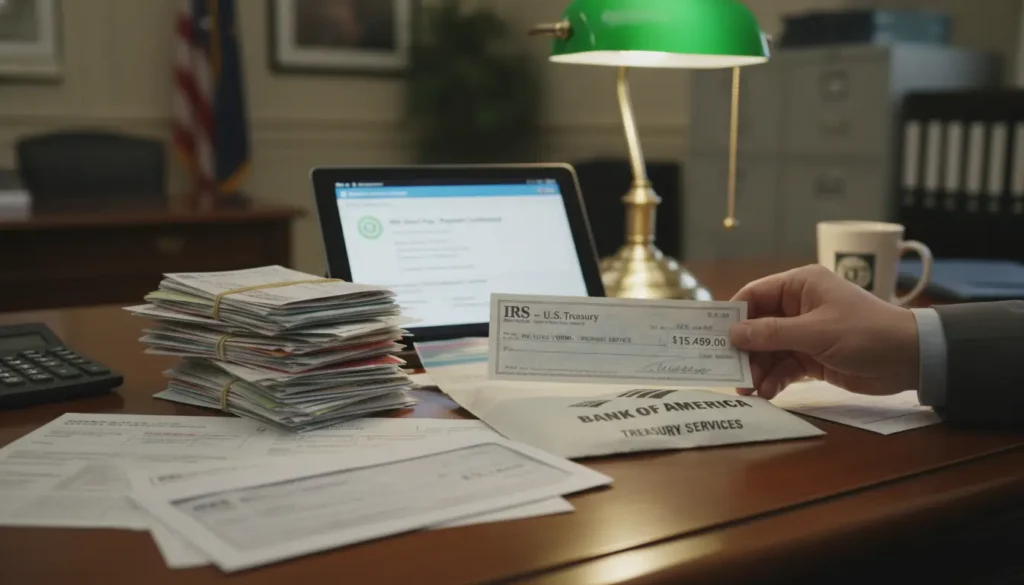
The IRS has issued an update about a $2,000 direct deposit payment that will begin going out on December 18. This article explains the timeline, who qualifies, and clear actions you should take immediately to avoid delays.
Why the December 18 Date Matters for the $2,000 IRS Direct Deposit Update
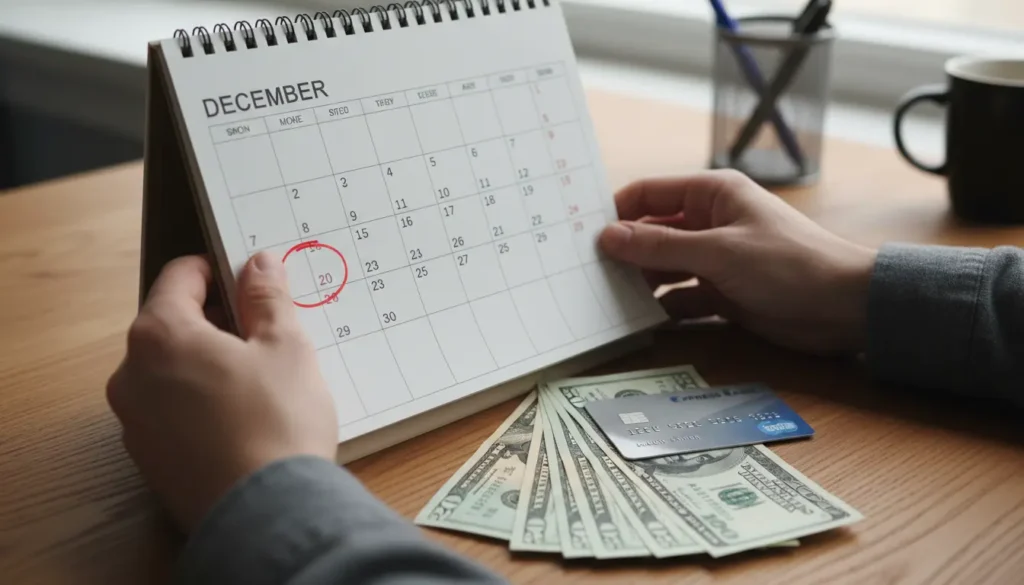
December 18 is the date when the IRS will start pushing direct deposit payments. If you are eligible and the IRS has your banking information, funds may hit your account on or soon after that date.
Payments that require mailed checks or additional verification will take longer. Acting now can speed up payment receipt.
Who is likely to receive the $2,000 direct deposit
Eligibility depends on recent IRS guidance and qualifying criteria set by the program authorizing the payment. Common factors include recent tax filings, income thresholds, and dependent status.
- Filed tax return for the most recent year or used non-filer portal where available
- Meets income and residency rules specified by the program
- IRS has a valid bank routing and account number on file
Rules and Eligibility for the $2,000 Direct Deposit
Understanding the rules prevents surprises. The IRS enforces identity verification and payment limits to reduce fraud. Not everyone who expects a payment will automatically receive it by direct deposit.
Key rules to know
- One payment per Social Security number or eligible taxpayer.
- Payments go to the banking information the IRS has on record from tax returns or previous stimulus payments.
- If the IRS lacks a valid direct deposit, they will issue a paper check or a prepaid debit card instead, which can delay arrival by weeks.
Steps to Take Immediately After the $2,000 IRS Direct Deposit Update
If you expect the $2,000 payment, take these actions now. Doing so can confirm eligibility and speed receipt if any changes are needed.
Immediate checklist
- Verify your bank information in the IRS portal or via your last filed tax return.
- Check your most recent tax transcript for processing updates on IRS.gov.
- Sign in to your IRS account to see payment status if an online tool is available.
- Watch your bank account starting December 18 for any incoming deposit. The deposit may show as “IRS TREAS 310” or similar.
- If you believe information is incorrect, contact the IRS or a tax professional right away.
When to expect a mailed check instead of direct deposit
If the IRS does not have your direct deposit details, they will mail a check. Expect mailed payments to arrive several weeks after the direct deposit start date.
Some taxpayers who changed banks recently receive payments later because the IRS needs time to update routing information. If you switched banks in the last year, confirm your routing and account numbers are on file.
How to Confirm and Troubleshoot Your $2,000 IRS Direct Deposit
Confirmation and troubleshooting can save days of waiting. Use official IRS tools first and keep documentation if you need to escalate.
Confirm payment status
- Sign in to your IRS online account to view payment history.
- Check your bank statement daily around December 18 to 25.
- Use the IRS payment tracker or FAQ pages for program-specific updates.
What to do if you don’t see a payment
- Wait several business days after December 18 — banks sometimes process government deposits in batches.
- If no deposit appears after a week, verify your bank info with the IRS and check for any messages in your IRS account.
- Contact the IRS helpline or consult a tax professional if you suspect identity theft or a processing error.
Small Real-World Example
Case study: Maria filed her 2023 taxes and the IRS had her bank account on file. She saw a direct deposit on December 20 listed as an IRS treasury transaction. Her neighbor, Tom, had changed banks and the IRS mailed him a paper check that arrived two weeks later.
Lesson: Keeping your current bank details with the IRS reduced wait time for Maria and avoided a paper check delay.
Common Questions About the $2,000 IRS Direct Deposit Update
Will the payment show in my bank app immediately?
Not always. Banks sometimes delay posting until the scheduled processing time. Watch for deposits between December 18 and the end of the month.
Can I update my bank details now?
Updating bank details with the IRS after a payment has been scheduled may not change the current payout. Still, update your records to speed future payments.
Final Steps to Protect Your Payment
Be proactive. Verify your information, check accounts on December 18 and after, and keep records of communications with the IRS.
If you don’t receive the payment in a reasonable time, use official IRS resources and consider professional help. That ensures problems are documented and resolved as quickly as possible.