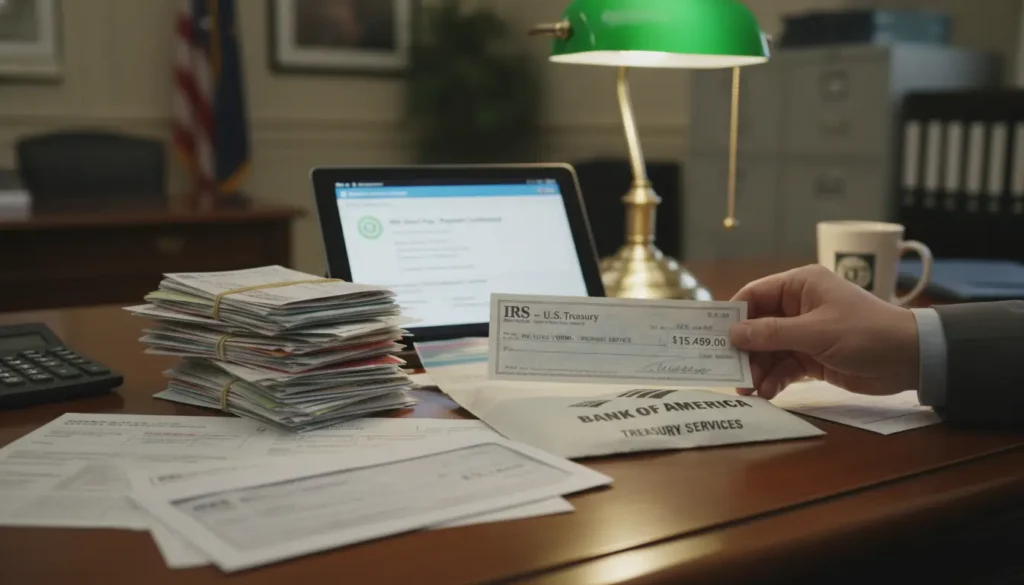
$2,500 U.S. Military Pay Raise 2025: Overview
The $2,500 U.S. military pay raise for 2025 refers to a legislated increase in basic pay for eligible service members. Depending on how Congress and the Department of Defense implement it, the increase can be a one-time payment or an annual adjustment spread across pay periods.
This guide explains likely eligibility rules, how the payment is processed, tax implications, and steps service members should take to confirm and access the funds.
Who Qualifies for the $2,500 U.S. Military Pay Raise 2025
Eligibility typically depends on service status and the language of the law. Common qualifiers include:
- Active duty service members on the effective date named in the legislation.
- Reservists or National Guard members called to Title 10 active duty during the covered period.
- Potential proration rules for members who served part of the year or entered/exited service mid-year.
Excluded groups are usually civilians and retirees unless the bill explicitly includes retired pay adjustments.
How the $2,500 Pay Raise 2025 Is Typically Paid
The raise can be executed in several ways. The most common methods are a lump-sum payment or a permanent increase to base pay distributed across monthly paychecks.
- Lump-sum: One-time payment showing as a special pay line on the Leave and Earnings Statement (LES).
- Annualized: Spread evenly over 12 months as an ongoing base pay increase.
- Prorated: If eligible for part-year only, the amount is prorated based on months of qualifying service.
When and Where You Will See the Payment
Authorized payments are processed through the Defense Finance and Accounting Service (DFAS) or the respective service finance office. The LES is the primary place to verify the payment.
Typical timeline steps include an announcement, DFAS implementation, and the payment showing on a specific pay period. Expect the department to publish a calendar with exact dates after enactment.
Tax and Benefits Impact of the $2,500 Pay Raise
Basic pay increases are normally taxable for federal income tax and subject to Social Security and Medicare withholding. Housing allowances (BAH) and subsistence allowances (BAS) are handled separately and generally remain tax-exempt where applicable.
In practical terms, a $2,500 increase in basic pay will be reduced by payroll taxes, so net take-home will be less than the gross amount. Check LES and tax withholding settings to estimate net impact.
Military basic pay is taxable income. Housing and subsistence allowances are usually tax-free, but a basic pay raise like $2,500 will generally be subject to federal income tax and FICA withholding.
How to Confirm Eligibility and What To Do
Follow these practical steps to confirm eligibility and ensure you receive the raise:
- Read the final text of the law or DoD release to confirm who is covered and the payment method.
- Monitor DFAS and your service finance office webpages for implementation dates.
- Check your Leave and Earnings Statement (LES) when the payment date arrives and save records.
- Contact your personnel or finance office immediately if the payment does not appear and you believe you are eligible.
Real-World Example: How the $2,500 Raise Affects Pay
Example case: Sergeant Rivera, E-5 with six years’ service, is on active duty and eligible for the $2,500 increase. If the raise is annualized, her monthly gross increase is $208.33 ($2,500/12).
After standard federal withholding and FICA, the net monthly increase might be around $150–$175 depending on withholding status and state taxes. If the payment were a lump-sum, her savings and debt planning would differ from receiving smaller monthly increments.
Practical Tips for Budgeting and Planning
Whether your raise is lump-sum or annualized, use these practical tips:
- Estimate net change: Use a pay calculator or your LES to estimate net pay after taxes.
- Prioritize high-interest debt: Lump sums are often best used to reduce high-cost debt.
- Emergency savings: Consider placing part of the extra funds into an emergency fund or TSP (Thrift Savings Plan).
- Update allotments: If you want the extra funds put to savings automatically, change allotments with your finance office.
What If You Don’t Receive the Payment?
If the $2,500 payment does not appear when scheduled, take these steps:
- Confirm the eligibility date and that you met requirements during the covered period.
- Review public DFAS guidance and your service’s finance announcements.
- Contact your unit personnel office or service finance customer service for an account review.
- Document communications and keep copies of LES pages and official notices for follow-up.
Final Notes on the $2,500 U.S. Military Pay Raise 2025
The precise rules for the $2,500 raise depend on the final legislative text and DoD implementation. This guide covers common structures and practical steps to confirm and manage the funds.
Always rely on official DoD and DFAS communications for final eligibility and payment dates. If you have questions specific to your situation, contact your service finance or legal office for personalized guidance.