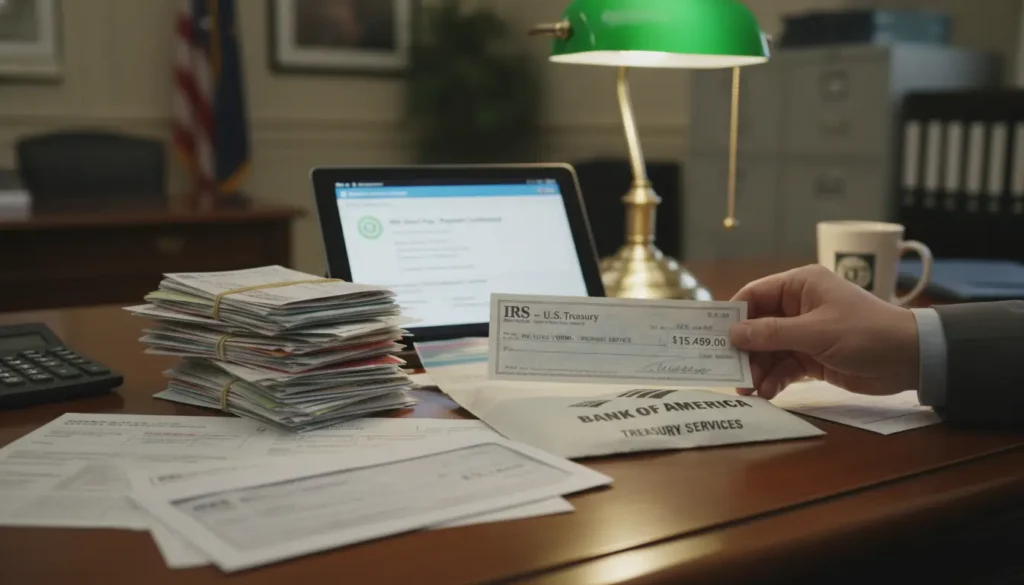
Overview of SSI, SSDI & VA stimulus payments 2025
The federal and state approaches to stimulus-style payments in 2025 affect people on SSI, SSDI and VA benefits differently. This guide explains eligibility rules, the updated schedule, and practical steps to claim or confirm payments.
Who qualifies for SSI, SSDI & VA stimulus payments in 2025?
Eligibility depends on which program funds the payment: federal relief, state supplements, or VA-specific cash distributions. Some payments are automatic, others require registration or a claim.
SSI eligibility rules
Supplemental Security Income (SSI) recipients usually qualify for payments tied to SSI status on a set record date. Eligible factors include income limits and living arrangements.
- Automatic if you received SSI on the record date set by the payer.
- Some state-administered supplements may require a short form or update to your state benefits office.
SSDI eligibility rules
Social Security Disability Insurance (SSDI) beneficiaries are often eligible if they receive SSDI benefits in the payment month. Title II payments are commonly distributed by the Social Security Administration (SSA).
- Automatic deposit to the bank linked to your SSA account in most cases.
- If you recently changed direct deposit, allow time for processing or contact SSA.
VA eligibility rules
VA payments depend on the program: disability compensation, pension, or one-time relief. Eligibility is based on VA records and may require verification of current benefit status.
- VA-issued payments typically follow the VA’s beneficiary list and pay methods.
- Some local or state veteran programs require an application.
Updated schedule for stimulus payments in 2025
Payment timing varies by sponsoring agency. Federal-level distributions usually publish a calendar; states post their own schedules.
Typical federal timeline
When a federal payment is authorized, agencies publish a timeline showing deposit dates. Expect a staggered schedule by benefit type (SSI, SSDI, VA).
- Advance notice: 2–8 weeks when possible.
- SSA/VA often pay on regular benefit payment days for automation.
State and VA timelines
State stimulus or supplement payments may arrive on different dates. Check state benefits websites or VA.gov for exact calendars.
How payments are delivered
Most beneficiaries receive payments by direct deposit to their existing benefit account. Paper checks or debit cards are still used where banking information is not on file.
- Direct deposit: fastest and most secure.
- Paper check or Treasury debit card: may take longer to arrive.
Steps to confirm eligibility and avoid problems
Follow these practical steps to make sure you get payments on time and avoid delays.
- Verify your benefit status with SSA or VA at least 30 days before the payment date.
- Update direct deposit information if your bank or account changed.
- Report household or income changes that could affect SSI eligibility immediately.
- Watch official agency announcements; beware of scams asking for personal information.
Many SSI recipients automatically receive state supplements without applying separately. However, if you move to a new state, your supplementary payment may change and could require re-enrollment.
Reporting changes that affect SSI, SSDI & VA stimulus payments
Reporting life changes promptly avoids overpayments, underpayments, and delays. Common reportable changes include income, household composition, and address.
- SSI: Report income, living arrangements, and marital status changes immediately.
- SSDI: Report work activity changes that might affect benefit status.
- VA: Report changes in address or direct deposit and any status affecting pension or compensation.
Case study: How a typical SSDI recipient received the 2025 payment
Maria, age 62, receives SSDI via direct deposit. When the federal agency announced a stimulus deposit for SSDI beneficiaries on May 8, Maria saw the funds in her bank account two days later.
She had recently updated her bank account at SSA, which processed in time because she confirmed the change 45 days before the payment. The deposit matched the agency notification and required no extra steps.
Common questions and quick answers
Here are short answers to frequent concerns about SSI, SSDI & VA stimulus payments 2025.
- Q: Do I need to file taxes to get the payment? A: Not usually; payments tied to benefits are based on benefit records, not tax returns.
- Q: What if I don’t get my payment? A: Contact the paying agency and verify your benefit status and direct deposit details.
- Q: Can a payment affect my benefits? A: One-time payments sometimes count differently; report them if required to your benefits office.
Where to find the official schedules and help
Use these official resources to confirm dates and eligibility details.
- Social Security Administration: ssa.gov
- Department of Veterans Affairs: va.gov
- Your state human services or veterans affairs website
Keeping records of your benefit status, bank details, and agency notices is the best way to ensure you receive SSI, SSDI & VA stimulus payments in 2025 without delay.