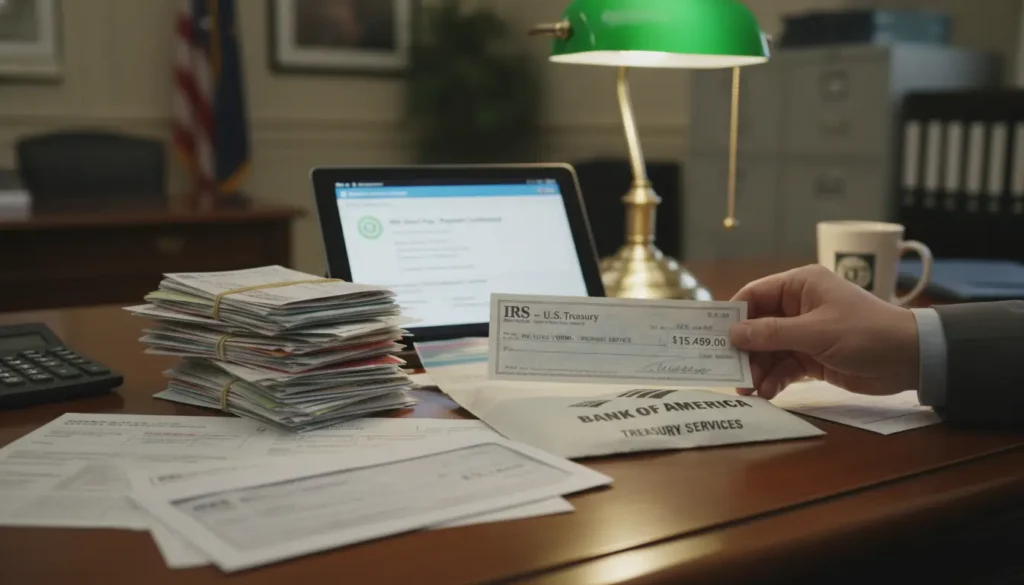
A federal payment program planned for December 2025 will deliver one-time $2,000 payments to qualifying adults. This article explains likely eligibility rules, how the program may be administered, and the exact timelines you should watch so you can prepare and avoid delays.
Who is eligible for the $2,000 federal payments?
Eligibility typically depends on citizenship or lawful resident status, Social Security number (SSN), and adjusted gross income (AGI) limits. Expect the government to use prior-year tax returns and benefit records to verify who qualifies.
Common eligibility criteria
- U.S. citizens or qualifying noncitizen residents with valid SSNs.
- Income caps based on filing status, likely using 2024 or 2025 tax returns.
- Adults aged 18 and over, with specific rules for dependents or college students.
- Recipients of federal benefits (Social Security, SSDI, VA) may be eligible — many programs use agency records to deliver payments automatically.
Officials often exclude individuals claimed as dependents on another return. Expect clear guidance from the IRS and other agencies once the program goes live.
Detailed rules and income thresholds
The exact income thresholds will matter most for eligibility. Here are plausible rules based on past federal payment programs.
- Single filers: full payment up to a specific AGI (for example, $75,000), with phased reduction above that up to a cap (e.g., $95,000).
- Married filing jointly: full payment up to a higher AGI (for example, $150,000), with phaseout through a set cap (e.g., $190,000).
- Head of household thresholds may fall between single and joint limits.
Note: These example numbers are illustrative. The final rules will be published by the administering federal agency and enforced at payment time.
How the payments are delivered
Federal one-time payments are usually sent via direct deposit, paper check, or prepaid debit card. Delivery method often follows existing records in IRS or benefit agency systems.
Delivery methods and what to check
- Direct deposit: fastest. Verify bank account info with the IRS or your benefit agency by the cutoff date.
- Paper checks: mailed to the last known address on file. Update your mailing address to avoid returned checks.
- Prepaid debit cards: some agencies have used this method in the past. If used, the card is mailed and activated by the recipient.
Exact timelines to watch in December 2025
The government will publish an official calendar, but here is a realistic schedule to help you prepare. Treat these as practical milestones rather than guaranteed dates.
- Late November 2025: final eligibility lists compiled using 2024 tax returns and agency records.
- By December 1, 2025: deadline to update direct deposit information or mailing address in most systems.
- Early December 2025 (first two weeks): initial direct deposit batches processed for benefit recipients and taxpayers with valid bank records.
- Mid-December 2025: paper checks and prepaid cards mailed; allow 1–3 weeks for delivery depending on mail speed.
- Late December 2025: final processing for late filers and address-change cases; some recipients may receive payments after the holiday period.
Keep documentation of your bank and address updates. Missing the pre-December cutoff can delay the payment by weeks.
How to check your status and avoid scams
Use official channels to verify eligibility and payment status. The IRS and federal benefit agencies will post FAQs and status tools. Beware of unofficial emails, texts, or callers asking for bank details.
- Check the IRS Get My Payment or equivalent portal if a federal payments tracker is released.
- Benefit recipients should check their agency online account (SSA, VA, etc.).
- Contact official help lines only after confirming the number on an agency website.
Many federal payments are issued using the bank account information on your most recent tax return or benefit records. Updating your direct deposit with the IRS or your benefits agency before the deadline often speeds delivery.
What documents to prepare now
Preparing documents now reduces delays if you are selected. Keep digital or printed copies for quick verification.
- 2024 federal tax return (Form 1040) or 2025 return if filed early.
- Proof of identity: SSN card or SSA documentation where required.
- Bank account and routing numbers for direct deposit setup.
- Current mailing address and change-of-address confirmation, if applicable.
Example checklist
- Verify SSN and name match IRS records.
- Confirm bank account on file or plan to update by the cutoff.
- Save confirmation screenshots or letters after any updates.
Small real-world example
Case study: Maria is a single parent who filed her 2024 taxes and receives Social Security benefits. She checked her direct deposit info with the benefits portal in late November 2025 and confirmed it matched her 2024 return. Maria received the $2,000 payment by direct deposit in early December and used it to cover emergency car repairs and rent.
This example shows how timely updates and monitoring can speed receipt of one-time federal payments.
Next steps and final tips
Watch official federal announcements for the confirmed income limits, final eligibility rules, and the agency that will administer the December 2025 payments. Mark the last week of November as your action window to update accounts and addresses.
- Do not share bank login credentials or SSNs in response to an unexpected email or phone call.
- Save official confirmation pages and emails from the IRS or benefit agencies.
- Contact your tax professional or benefits counselor if you need help verifying eligibility.
Following these steps will improve your chances of receiving any $2,000 federal payment promptly if you qualify. Always rely on official agency communications for final rules and payment dates.