This guide explains the key facts beneficiaries need to know about IRS 2000 one-time deposits expected in December 2025. It covers who may qualify, how payments are sent, timelines, and what to do if you do not receive a payment.
Understanding IRS 2000 One-Time Deposits in December 2025
The IRS periodically issues one-time deposits or supplemental payments tied to legislation or tax adjustments. If a $2000 one-time deposit is scheduled for December 2025, it will follow rules set by the authorizing law and IRS guidance.
Use this practical guide to check eligibility, verify delivery, and take action if your payment does not arrive as expected.
What the phrase IRS 2000 one-time deposits in December 2025 means
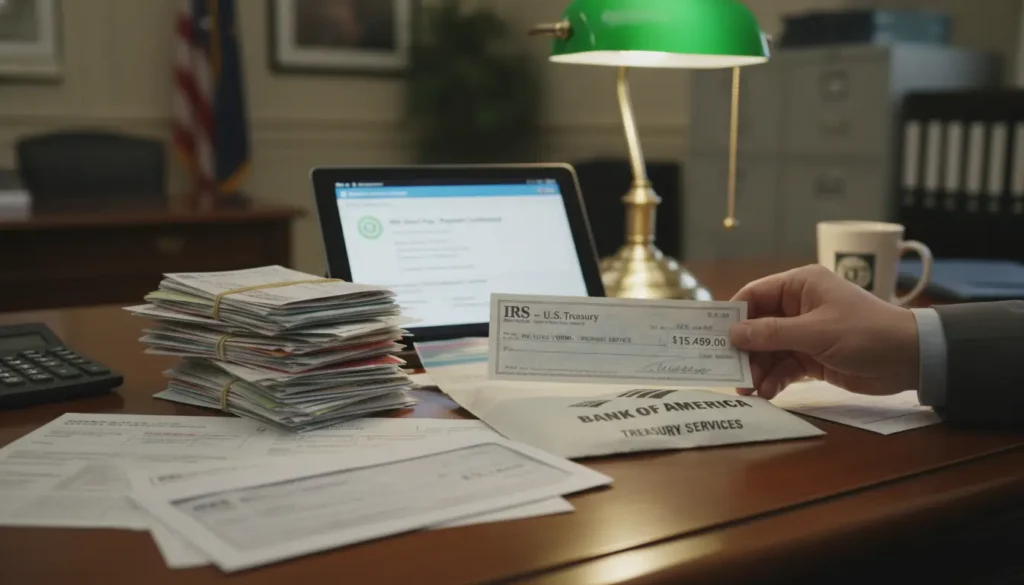
This phrase refers to a single payment of $2000 sent by the IRS to eligible recipients in December 2025. The payment can be delivered by direct deposit, mailed check, or debit card based on IRS records.
Exact qualification criteria and distribution steps depend on the statute that authorizes the deposit and on IRS implementation rules.
Who qualifies for IRS 2000 one-time deposits
Eligibility usually depends on factors such as income limits, filing status, benefit receipt, or prior tax filings. Below are common qualification pathways to review.
Common qualification categories
- Recent tax filers: Individuals who filed a 2023 or 2024 federal return and meet income thresholds.
- Social Security or VA beneficiaries: People receiving monthly federal benefits sometimes qualify automatically if the law covers those groups.
- Low- to moderate-income households: The payment may phase out for higher incomes based on adjusted gross income (AGI) limits.
- Dependents and families: Rules may specify qualifying children or dependents for partial or full amounts.
How to confirm if you qualify
Check the official IRS announcement and the authorizing law text. The IRS will publish eligibility details online and in taxpayer alerts.
Practical steps to confirm eligibility include reviewing recent tax returns, checking benefit notices, and using the IRS online tools when they are available.
How payments are issued and timing for December 2025 deposits
If the IRS issues a $2000 one-time deposit, the agency typically follows a phased distribution plan. Expect a combination of direct deposit, mailed checks, and prepaid debit cards.
Distribution methods
- Direct deposit: Sent to the bank account on file from a recent tax return or benefit payment.
- Mailed check: Sent to the address on the last tax return or IRS record.
- Prepaid debit card: Sometimes used when direct deposit information is unavailable.
What to expect on timing
Payments scheduled for December 2025 may be issued across several weeks. The IRS often batches distributions, so not all eligible recipients receive money on the same day.
Allow at least 2–6 weeks from the public announcement for most payments to arrive. Banks may post direct deposits faster than mailed checks reach recipients.
What to do before and after a payment
Prepare your records and verify contact details to avoid delays. After a payment, confirm the amount and source to prevent scams.
Before the payment
- Review your most recent tax return for bank and address information.
- Update your IRS account and Social Security contact info if needed.
- Watch for official IRS guidance and timelines on IRS.gov.
After the payment
- Confirm the deposit through your bank statement or by locating a mailed check.
- Save documentation showing the deposit was received, including bank notices and IRS letters.
- Report suspected fraud: The IRS will never call asking for payment to receive your $2000 deposit. Use IRS.gov to verify communications.
The IRS posts updates about one-time payments on IRS.gov and on its official social channels. Always confirm payment details there before sharing personal information.
Common scenarios and FAQs
Below are short answers to likely questions about IRS 2000 one-time deposits in December 2025.
Why didn’t I receive my payment?
Reasons include ineligible status, incorrect bank or mailing address on file, or delays in batching. Check IRS notices and your tax records first.
Will this payment affect my taxes or benefits?
Tax treatment depends on the authorizing law. Some one-time payments are non-taxable, others are taxable. Confirm with the IRS or a tax professional.
Can I update my payment info now?
Often the IRS sets a cutoff. If updates are allowed, use IRS online tools or contact the agency directly. For benefit recipients, update your benefit account with the administering agency.
Small real-world example
Case study: Maria is a retired teacher who receives Social Security benefits. She filed a 2024 tax return and her direct deposit information is on file with the IRS.
When the IRS announced a $2000 one-time deposit in December 2025, Maria verified her IRS account and confirmed her address. Her direct deposit posted to her bank two weeks after the government notice. She saved the IRS letter and the bank statement for her records.
Steps to take if you think you qualify but didn’t get paid
- Check IRS.gov for official eligibility criteria and payment status tools.
- Compare your bank and mailing information with your most recent tax return.
- Contact the IRS through official channels if your record needs correction.
- Keep documentation of all communications and your tax returns.
This guide provides practical steps to prepare for and manage an IRS one-time deposit scheduled for December 2025. For the final legal details and timelines, rely on official IRS announcements and consult a tax professional for questions specific to your situation.