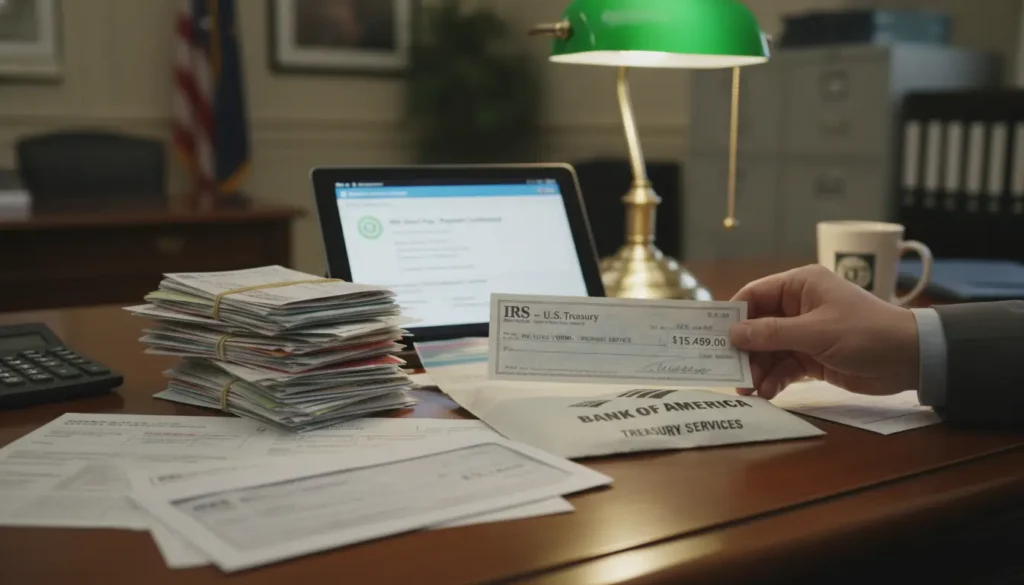
The federal $2,000 year‑end deposits announced for December 2025 are creating questions among beneficiaries and households expecting funds. This guide explains who is most likely to qualify, common payment dates being used by federal agencies, and concrete actions you should take now to avoid delays.
Who qualifies for the federal $2,000 December 2025 deposits?
Eligibility depends on the specific program and the law authorizing the payment. Most commonly affected groups include Social Security retirement beneficiaries, SSDI recipients, Supplemental Security Income (SSI) recipients, and certain federal benefit recipients who meet income and filing requirements.
Key eligibility points to check:
- Whether your benefit type (Social Security, SSDI, SSI, VA benefits, etc.) is listed in the official announcement.
- Your income or tax filing status if the payment is means‑tested or based on recent tax data.
- Whether the program requires an application or automatic enrollment.
Income and filing thresholds
Some one‑time federal deposits use prior tax year data or current benefit records to determine eligibility. If the program references tax returns, agencies may use your 2024 or 2025 return depending on the law. If you receive means‑tested benefits, eligibility may be based on current agency records rather than an annual tax filing.
Always check the official announcement and FAQ from the administering agency to confirm thresholds and which year’s data are used.
Reported payment dates and schedule for December 2025
Federal one‑time payments are often distributed in batches. While exact dates are set by the administering agency, the common timeline agencies use is:
- Early December: initial electronic direct deposits to accounts already on file.
- Mid‑December: main waves of direct deposits for remaining eligible accounts.
- Late December: paper checks or mailed notices for recipients without direct deposit, and any catch‑up deposits.
Example schedule (illustrative only):
- Week 1 of December — advance notices and initial direct deposits.
- Week 2–3 of December — bulk electronic payments.
- Week 4 of December — mailed checks and final processing before year end.
Remember: this is a typical pattern. Confirm exact dates on the relevant federal agency website (IRS, Social Security Administration, Veterans Affairs, etc.).
Actions beneficiaries need now
Take these practical steps immediately to reduce the chance of delays or missed payments.
- Verify your contact info and payment method: Log in to your agency account (SSA, VA, IRS, etc.) and confirm your mailing address, phone number, and direct deposit details.
- Set up or update direct deposit: Direct deposit is the fastest way to receive funds. If you rely on paper checks, consider switching to electronic payments.
- Check eligibility notices and email: Watch for official notices and confirm any required actions, like submitting a form or verifying income information.
- Keep documents ready: Have your Social Security number, benefit number, recent award letters, and most recent tax return available.
- Avoid scams: The government will not ask for payment to release your funds. Do not share personal information in unsolicited calls or texts.
Where to check official information
- Social Security Administration (ssa.gov) for Social Security and SSI questions.
- IRS (irs.gov) for payments administered by the IRS.
- Department of Veterans Affairs (va.gov) for VA recipients.
How to confirm you will receive the $2,000
Follow these steps to confirm status and avoid last‑minute problems:
- Log in to the relevant federal account portal and look for announcements or account messages.
- Check mail and email for any eligibility letters with deadlines.
- If you do not see eligibility confirmation, call the agency’s published phone number rather than relying on caller ID alone.
Many benefit programs allow you to switch from paper checks to direct deposit online in minutes. Updating payment details now can speed receipt of year‑end federal deposits.
Case study: A practical example
Maria, age 67, receives Social Security retirement benefits by direct deposit. After hearing about the $2,000 deposit, she logged into her SSA account on a Monday, confirmed her bank routing and account number, and verified her mailing address. She saw an SSA account message referencing the upcoming payment and a reminder that deposits would go to accounts on file.
Because Maria had direct deposit and up‑to‑date info, she received the deposit by mid‑December. A neighbor who relied on paper checks had her payment mailed and received it near the end of December.
Common problems and how to fix them
Here are frequent issues and quick fixes:
- Wrong bank account on file — Contact the agency immediately and provide corrected direct deposit details.
- Missing mail or notice — Check your online account and call the agency if you find no record of an upcoming payment.
- Identity verification hold — Be prepared to submit required documents (ID, proof of address) promptly.
Final checklist before December
- Confirm eligibility on the administering agency’s website.
- Update direct deposit and contact details online.
- Gather documents: benefit letters, recent tax return, ID.
- Watch for official notices and avoid sharing personal info in unsolicited contacts.
- Plan for timing: expect electronic deposits before mailed checks.
These deposits can arrive in different ways depending on your benefit type and the agency handling the payment. Confirm details on official sites and act now to reduce delays. If you have questions about your eligibility or a missing payment, contact the administering federal agency directly for the fastest answer.