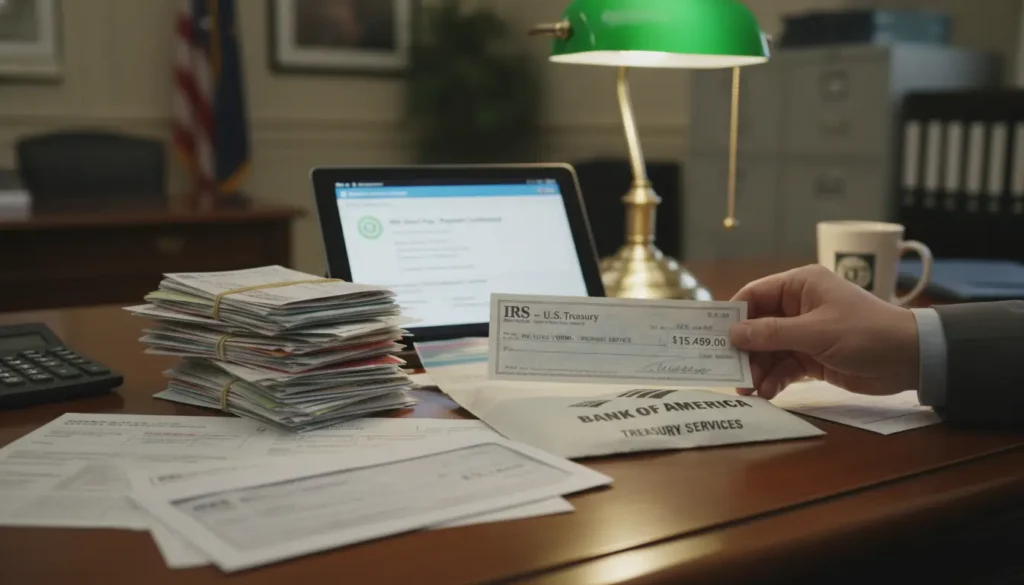
The IRS has announced a one-time direct deposit of $2,000 scheduled for December 2025. This article explains who qualifies, the confirmed payment schedule, and clear steps to claim the payment if you are eligible.
IRS Announces $2,000 Direct Deposit for December 2025
The Treasury and IRS released guidance confirming a December 2025 direct deposit for qualifying taxpayers. The payment is automatic for most people who meet eligibility rules, but some taxpayers must take action to receive or claim the money.
Who is eligible for the December 2025 payment?
Eligibility focuses on income, filing status, and whether the IRS has recent filing or direct deposit information. Key points:
- U.S. citizens and resident aliens with valid Social Security numbers generally qualify.
- Income thresholds: single filers and heads of household under a set adjusted gross income (AGI) limit will receive the full amount. Phaseouts apply above the threshold.
- Some taxpayers who received prior stimulus or recovery rebates may qualify depending on 2024 or 2025 tax return information.
- Non-filers, dependents, and certain mixed-status families have special rules; check the IRS guidance for details.
Common eligibility scenarios
- Low‑ and middle‑income workers who filed 2024 or 2025 tax returns and claimed relevant credits — likely eligible.
- People who receive Social Security, SSDI, or VA benefits and who filed required returns — often eligible automatically.
- Non-filers who didn’t submit returns for the last year may need to file or use the IRS non-filer portal to claim the payment.
Payment Schedule Confirmed
The IRS confirmed the payment will be distributed by direct deposit during December 2025. Paper checks and debit cards may arrive later for those without bank account information on file.
How the schedule works
Direct deposits will be sent in batches. Exact dates depend on IRS processing and available banking windows. Expect these steps:
- Initial batch: early December — taxpayers with current direct deposit info.
- Additional batches: mid to late December — for returns processed later or corrections.
- Paper checks or debit cards: sent after Treasury completes direct deposit batches, possibly into January 2026 for some recipients.
How to Verify and Claim the Payment
Most eligible taxpayers will get the payment automatically. If you don’t receive it, follow these steps to confirm eligibility and claim the payment if required.
Step 1. Check your IRS account and bank records
Log in to your IRS online account to see payment status and whether the IRS has a routing and account number on file. Also check your bank deposit history in December 2025 for a $2,000 deposit.
Step 2. Confirm you filed the correct tax return
If the IRS needs 2024 or 2025 tax return data to determine eligibility, make sure you filed on time and the return includes accurate dependents, income, and bank details.
Step 3. Use the IRS portal for non-filers if needed
If you aren’t required to file taxes and did not file, check whether the IRS opens a non‑filer submission portal. The portal typically collects minimal information to verify identity and eligibility.
Step 4. File an amended return only when necessary
If you find an error on a return that affects eligibility, filing an amended return may trigger a review. Only amend if you are certain the change affects the $2,000 payment.
What to Do If You Don’t Receive the Payment
If you believe you are eligible and didn’t get the direct deposit, take these actions:
- Verify IRS online account messages for notices or payment status.
- Confirm your address and direct deposit data on the last filed tax return.
- Contact the IRS by the official phone number if notices indicate an issue.
- Consider using the Recovery Rebate Credit (if applicable) on your 2025 tax return to claim missed payment amounts.
The IRS often uses the most recent tax return on file to determine stimulus payments. If your income or filing status changed in 2025, the IRS may use that newer information to set eligibility and payment amount.
Small Real World Example
Case study: Maria, a single parent, filed her 2025 tax return in April and included direct deposit information. In early December 2025 she saw a $2,000 deposit from the Treasury in her bank account. Maria had previously received stimulus payments and did not need to take additional steps.
Contrast: James, who did not file a 2024 or 2025 return and receives only Social Security, did not get an automatic deposit. He used the IRS non‑filer portal after the announcement and provided his information to claim the payment as instructed.
Tips to Prepare and Avoid Delays
- File required tax returns promptly and include direct deposit information.
- Keep Social Security numbers and addresses up to date with the IRS and SSA.
- Watch for official IRS communications by mail and in your IRS online account; the IRS does not send payment requests by email.
- Beware of scams: the IRS will not ask for payment or personal information by email or text.
Final Notes and Resources
The IRS announcement provides a framework, but rules and thresholds may include additional details in official guidance. For the most accurate information, use the IRS website and your IRS online account.
If you have complex tax situations—mixed filing status, recent immigration status changes, or multiple dependents—consult a tax professional or an IRS-certified volunteer assistance program to confirm eligibility and the best way to claim the payment.