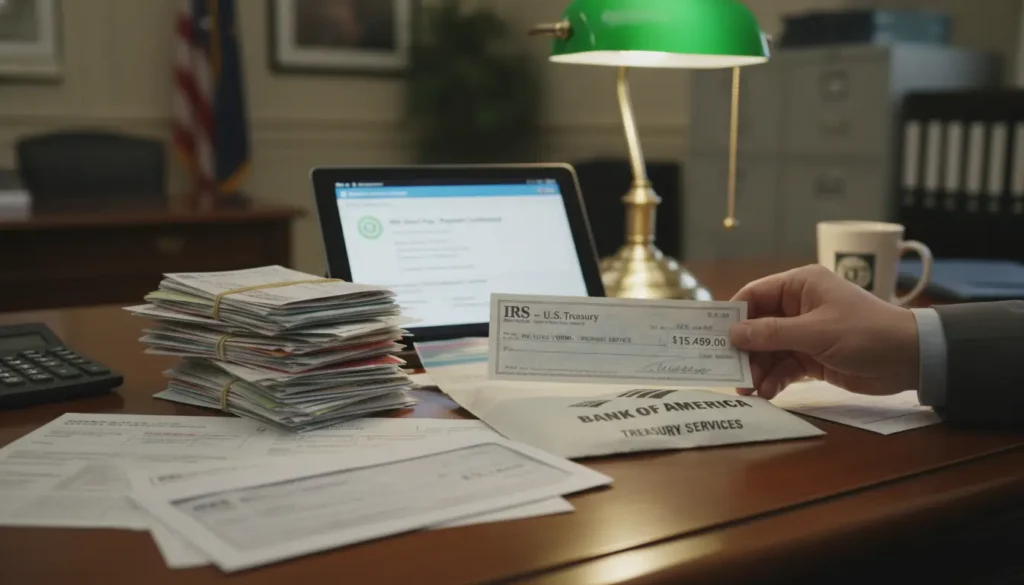
The IRS has approved a $2,000 direct deposit payment scheduled for November 2025. This article explains who is eligible, when payments go out, and clear IRS instructions to help you receive the money without delays.
Who is eligible for the $2,000 direct deposit
Eligibility is based on IRS guidance tied to 2024 or 2025 tax return data and certain income limits. Most U.S. residents who filed a tax return or submitted required nonfiler information will be reviewed for the payment.
- U.S. citizens and resident aliens with valid Social Security numbers are included if they meet income limits.
- Dependents and nonresident aliens are generally excluded unless IRS guidance states otherwise.
- People who filed joint returns will have eligibility determined by combined income.
Income limits and phase-outs
The IRS will use adjusted gross income (AGI) from the most recent tax filing to apply phase-outs. Exact thresholds are published by the IRS; typically, higher-income filers see reduced or no payment.
- Single filers under the threshold receive the full $2,000.
- Phase-outs reduce the amount for incomes above the cutoff until it reaches zero.
- Check the IRS fact sheet for precise AGI limits and reduction formulas.
Payment dates: When will the November 2025 payments arrive?
The IRS expects to disburse payments in waves through November 2025. Exact dates depend on processing schedules and verification checks.
- First wave: mid-November — direct deposits to taxpayers with up-to-date bank information.
- Later waves: late November — payments for filers requiring additional verification.
- Paper checks and prepaid cards follow after direct deposit waves and may take longer.
To reduce delays, the IRS prioritizes direct deposit to existing account information on file from recent tax filings or direct deposit authorizations.
IRS instructions: How to prepare and check your payment
Follow these steps to confirm your eligibility and speed delivery of the $2,000 payment.
- Check your IRS account online: sign in to your IRS online account to see payment status and any notices.
- Verify bank info: make sure your direct deposit routing and account numbers are current on your most recent tax return.
- Update nonfiler information: if you did not file taxes, use the IRS portal for nonfilers when available or follow IRS nonfiler guidance.
- Watch for letters: the IRS will mail notices to the last known address for individuals who need to take additional steps.
- Contact the IRS only if directed: avoid third-party services that promise faster access; use official IRS channels.
How to check payment status
Use the IRS “Get My Payment” or your IRS online account. The tool shows whether the payment is scheduled, sent, or needs more action from you.
- Have your Social Security number, date of birth, and mailing address ready.
- If the tool shows “payment locked” or “more information needed,” follow the instructions shown.
The IRS often uses the most recent tax return for direct deposit information. If you changed bank accounts after filing, update your details before the IRS begins processing payments to avoid delays.
What to do if you do not receive a direct deposit
If you expected a direct deposit but didn’t receive it, first confirm the payment status using the IRS tools. The next steps depend on the shown status.
- If the IRS shows “payment sent”: check with your bank for pending deposits or returned items.
- If the IRS shows “more information needed”: follow the instructions to submit required info.
- If the IRS sent a paper check: allow additional mailing time and confirm your address on file.
Common reasons payments are delayed
- Missing or outdated bank account information.
- Address changes not reported to the IRS.
- Identity verification flags or offsetting debts (e.g., past-due federal debts may reduce the amount).
Small case study: Real-world example
Maria, 48, filed her 2024 taxes electronically and included direct deposit information. She checked the IRS online account in early November and saw the status changed to “scheduled.”
Her direct deposit appeared in her bank on November 18, 2025. Maria used the funds to pay a surprise car repair and avoided a high-interest loan.
Tips to ensure fast receipt of the $2,000 payment
- File your 2024 or 2025 tax return promptly and include direct deposit information.
- Use the IRS online account to confirm personal and banking details.
- Keep an eye on mail from the IRS for any verification requests.
- Avoid third-party payment trackers that require payment to access information — use only IRS tools.
Final checklist before November 2025
- Confirm your last tax return includes your correct bank account information.
- Create or sign in to your IRS online account to check eligibility and payment status.
- Update your mailing address with the IRS if you moved within the last year.
- Save official IRS notices and follow step-by-step instructions if action is required.
This guidance summarizes current IRS directions for the $2,000 direct deposit in November 2025. Always consult official IRS pages or your tax advisor for questions specific to your situation.