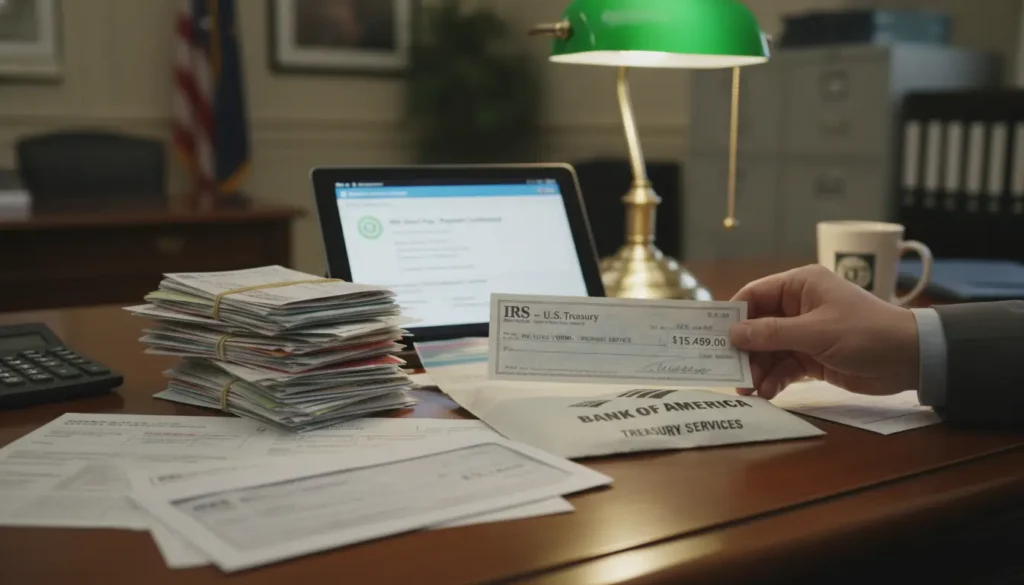
IRS Confirms $2000 Payments for December 2025: What You Need to Know
The IRS has confirmed a one-time $2000 payment to eligible taxpayers and beneficiaries in December 2025. This article explains who qualifies, how beneficiaries and dependents are handled, the likely deposit schedule, and what you should do now to prepare.
Who Is Eligible for the December 2025 $2000 Payment?
Eligibility is set by IRS guidance tied to recent tax filings and federal benefit records. In practice, the main groups the IRS identifies are:
- Individual taxpayers with a valid Social Security number who filed a 2024 or 2025 tax return.
- Joint filers who meet the reporting requirements on their joint return.
- Social Security and Railroad Retirement beneficiaries when their records indicate eligibility.
- Taxpayers who claimed qualifying dependents on the relevant return, subject to IRS dependent rules.
Nonresident aliens, individuals without a valid SSN, and many nonfilers will generally not qualify unless the IRS guidance specifically includes them.
Key eligibility checks
- Residency and valid SSN: The IRS uses your Social Security number and residency status to confirm eligibility.
- Filing status: Eligibility is based on information from your most recent tax return or benefit records.
- Dependents: Dependents must be claimed properly and meet qualifying criteria on the return used by the IRS.
Beneficiary Rules and Dependents
The IRS applies specific rules for beneficiaries and dependents to make sure payments go to the right people.
Dependents
If you claimed dependents on your qualifying tax return, the IRS will follow its usual definition of a dependent to determine if additional amounts apply or if the dependent affects payment size.
- Children and qualifying relatives must meet relationship, residency, and support tests used on tax returns.
- Only one taxpayer can claim the same dependent; the IRS will use the return it determines to be correct.
Deceased Taxpayers and Survivors
If a taxpayer died before the payment date, the IRS generally looks to estate rules and the latest tax return. Survivors should consult the IRS notice or their tax advisor to determine if a payment is due and how to return or redirect funds legally.
Deposit Schedule and How Payments Will Be Sent
The IRS will use direct deposit where available and mail paper checks or prepaid debit cards if bank information is not on file. The payments are scheduled for December 2025 and will be issued in batches to manage processing.
Typical deposit timeline
- Direct deposit batch 1: Mid-December (e.g., Dec 15–18) for records with current bank details.
- Direct deposit batch 2: Remaining direct-deposit eligible accounts through late December (e.g., Dec 19–22).
- Paper checks and prepaid cards: Mailed in waves from mid-December through the last business days of December.
The IRS often phases payments by identifier (such as the last two digits of the SSN or the filing date). Check the IRS web page for the specific schedule and any official batch breakdown.
How to get the payment faster
- Make sure the IRS has your current bank information on file from a recent tax return or benefit record.
- Update your direct deposit details with the IRS if the agency provides an official secure portal before the cutoff date.
- Monitor your IRS account online and watch for official notices by mail or email from the IRS.
The IRS often uses the most recently filed return to determine payment eligibility and deposit method. If you updated your bank info on a later return, make sure that is reflected in IRS records before the payment date.
What You Should Do Now
Take practical steps to ensure you receive the payment promptly and avoid delays.
- Verify your current address and bank account in your most recent tax return or through the IRS online account.
- File any missing tax returns for 2024 or 2025 if you believe you are eligible and have not filed.
- Watch for official IRS communications and hold mailings from early December through January.
Common Questions
Will non-filers receive a payment?
Some non-filers may be eligible if the IRS has an alternative record showing eligibility (for example, benefit records). Non-filers should check IRS guidance for a registration or claim process if one is provided.
What if my payment is wrong or missing?
If your payment is incorrect or missing, keep your documentation—tax returns, benefit letters, and bank statements. Contact the IRS through official channels and follow instructions for payment resolution or claiming missing amounts on the next tax return if required.
Small Case Study: Real-World Example
Maria, a single taxpayer, filed her 2024 return in April and used direct deposit. Her SSN ends in 45 and the IRS had her current bank on file.
- Expectation: Maria’s $2000 payment was scheduled in the mid-December direct deposit batch.
- Action: She verified her IRS online account in early December and confirmed the bank routing number was unchanged.
- Result: Maria received a direct deposit notification on Dec 18 and saw the $2000 in her account the same day.
This example shows the value of up-to-date banking information and confirming IRS records before the payment window.
Summary
The IRS confirmed a one-time $2000 payment for December 2025. Eligibility relies on valid SSNs, recent tax or benefit records, and dependent claims shown on those records. The IRS will distribute payments by direct deposit first and then by mail, issued in batches through December.
Check and update your IRS records, file missing returns if needed, and monitor official IRS channels for the exact deposit schedule and any follow-up steps.