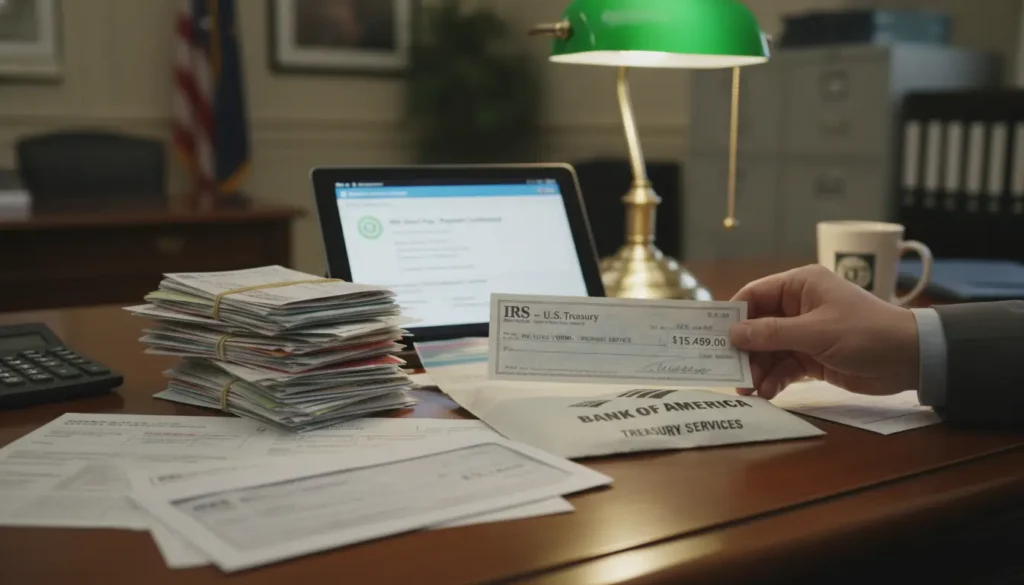
The IRS has issued a policy update confirming a one-time direct payment of $4,800 for eligible parents. This article explains what the update means, who may qualify, and the practical steps parents should take now to confirm eligibility and receive the payment.
What the IRS Confirms $4,800 Direct Payment for Eligible Parents Means
The announcement indicates eligible parents may receive a direct payment totaling $4,800. The payment is part of a targeted relief measure for households with qualifying dependents.
Exact eligibility rules and distribution timing come from IRS guidance. Use this article to prepare, verify your information, and avoid common delays.
Key points in plain language
- The IRS says a one-time payment of up to $4,800 is available to eligible parents.
- Eligibility depends on filing status, income, and dependent qualifications.
- The IRS will use recent tax returns or SSA records to determine eligibility and payment amounts.
Who Qualifies for the $4,800 Direct Payment
Eligibility generally follows these categories: the taxpayer’s filing status, adjusted gross income thresholds, and number and age of qualifying dependents. The IRS will publish the formal rules to apply the payment.
Common eligibility factors include:
- Filing a 2022 or 2023 federal tax return or being on IRS records through Social Security benefits.
- Having qualifying dependents (age and relationship criteria may apply).
- Meeting income limits set in the IRS guidance.
What to confirm before expecting payment
- Your most recent tax return was filed and accepted by the IRS.
- Your mailing address and bank information on file with the IRS are correct.
- You are listed as the taxpayer with the qualifying dependents claimed on your return.
How to Check Your Eligibility and Payment Status
Follow these practical steps to confirm eligibility and track payment status. Doing these now reduces the risk of delay when payments are issued.
- Visit IRS.gov and look for the official update page about the $4,800 payment.
- Sign in to or create an IRS online account to check payment status and update direct deposit information.
- Watch your mailbox and IRS account messages for specific notices and timelines.
Tools and documents to have ready
- Most recent tax return (2022 or 2023).
- Bank account and routing numbers if you want direct deposit.
- Social Security numbers for you and any qualifying dependents.
How the Payment Will Likely Be Distributed
The IRS typically issues direct payments using direct deposit, paper checks, or prepaid debit cards depending on existing records. The agency will prioritize direct deposit for faster delivery.
If you do not have direct deposit on file, the IRS may mail a check to your last address on file. Updating your information sooner can speed the process.
Steps to update your details
- Create or log in to an IRS online account.
- Confirm your address and bank routing/account numbers.
- If you filed through a tax professional, confirm the return was processed and accepted.
The IRS will rely primarily on your most recently filed tax return or Social Security Administration records to determine eligibility and the payment amount. If your records are out of date, update them now.
Tax and Reporting Considerations for the $4,800 Payment
At the time of the announcement, the IRS will release guidance about whether the payment is taxable or reportable. Historically, similar federal relief payments have been non-taxable, but always check official guidance.
If the payment is non-taxable, you typically do not report it as income. If it affects refundable credits or reconciliations, IRS instructions will explain how to reflect that on future tax returns.
Common Questions and Practical Answers
When will the payment arrive?
The IRS will publish a timeline after final rules are set. Payments are often phased by income or filing date, so earlier filers with direct deposit usually receive funds sooner.
What if I didn’t file taxes recently?
If you did not file, the IRS often uses Social Security records or a special non-filer tool when available. Check IRS guidance to see if you must file a simple return or register a non-filer profile.
How to avoid scams
- The IRS will not call demanding personal information for payment delivery.
- Never provide bank details or Social Security numbers in unsolicited emails or texts.
- Verify any communication by checking IRS.gov directly and using official contact methods.
Real-World Example: One Family’s Steps to Receive the Payment
Case study: Lisa is a single parent with two qualifying children and filed a 2023 tax return showing an adjusted gross income of $42,000. She wants to be ready for the $4,800 payment.
- Step 1: Lisa logged into her IRS online account and confirmed her 2023 return was accepted.
- Step 2: She updated her direct deposit information to her checking account to avoid a mailed check delay.
- Step 3: Lisa saved copies of her tax return and the IRS confirmation notice for her records.
- Result: When the IRS issues payments, she will receive a direct deposit notice if eligible and can track the payment online.
Next Steps for Parents
Prepare now by confirming your filing status, updating contact and bank information with the IRS, and watching IRS.gov for the full eligibility rules and timeline. Taking these practical steps helps avoid delays and reduces stress when payments are distributed.
If you are unsure about your situation, contact a tax professional or use IRS resources for personalized guidance.
Remember to rely only on official IRS communications and trusted tax advisors. Keep records of any updates you make and monitor your IRS account for payment notifications.