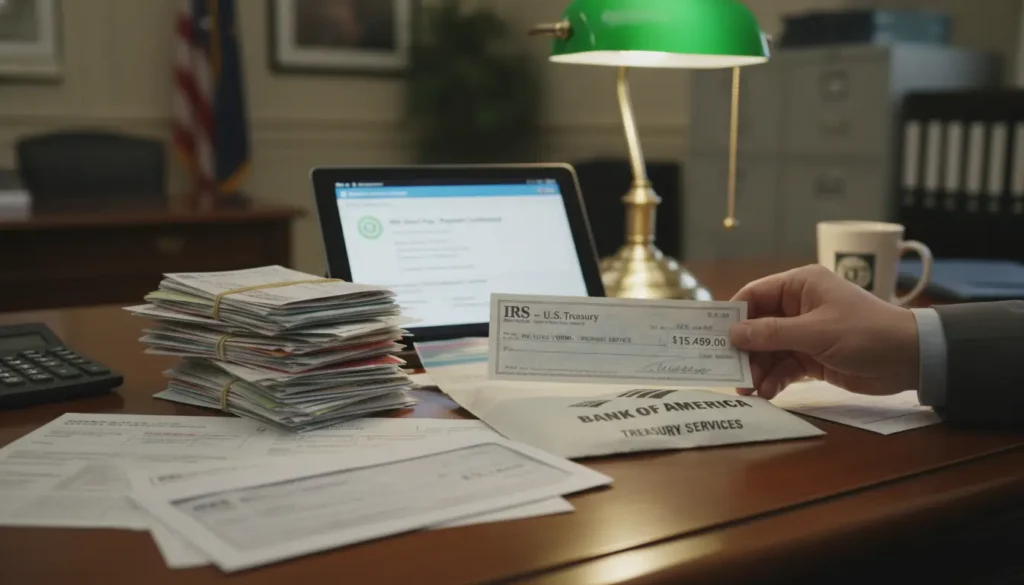
Congress and federal agencies may consider a tariff stimulus payment and a small Social Security increase in 2025. This article explains the proposals, who could qualify, when payments might arrive, and what you can do now to prepare.
What is the 2,000 tariff stimulus check in 2025?
The proposed 2,000 tariff stimulus check would be a one-time direct payment intended to offset costs tied to new or increased tariffs. It is not yet law and depends on congressional action and final budget decisions.
The term tariff stimulus describes a payment aimed at helping households cope with price increases caused by trade policy changes. The $2,000 figure is a headline number under discussion in some policy proposals.
Key details about the tariff stimulus check
- Possible amount mentioned publicly: $2,000 per eligible adult or household.
- Funding source: federal budget items or a specific tariff relief bill.
- Purpose: offset rising consumer costs related to tariffs and trade shifts.
- Status: proposal stage; requires legislative approval and a signed bill.
Who might be eligible for the 2,000 payment?
Eligibility rules would be set in the final legislation. Common criteria in past stimulus programs give clues about likely rules.
- Income thresholds: a phaseout for higher earners is likely, with full amounts for low and middle incomes.
- Filing status: eligibility may depend on individual or joint tax returns.
- Dependency and age rules: dependent children might not be eligible for the adult payment. Seniors and disabled recipients could be included.
Expect precise adjusted gross income limits and phaseout ranges if a bill moves forward.
How payments would be delivered
Delivery methods typically mirror IRS or Social Security systems. Possible channels include direct deposit, paper check, or debit cards mailed by the Treasury.
People who have refunds or benefits routed through direct deposit would likely receive payments faster, while paper checks can take weeks longer.
200 Social Security boost in 2025 explained
The 200 Social Security boost refers to a potential one-time or recurring increase of about $200 for Social Security beneficiaries. Lawmakers sometimes propose targeted boosts to help seniors manage inflation.
This boost could appear as an added payment or a temporary cost-of-living adjustment. The exact form would depend on the legislation and Social Security Administration rules.
Who could get the Social Security boost?
Social Security boosts usually apply to people receiving retirement, disability, or survivor benefits. Eligibility would track current benefit rolls at the time the increase is authorized.
Important points:
- Recipients must be enrolled in Social Security as of the cutoff date in the law.
- Boosts can be one-time payments or increases to monthly checks.
- Means testing is possible but not guaranteed; some proposals limit boosts to low and middle-income beneficiaries.
Estimated payment timeline
If authorized early in 2025, one-time tariff checks could be mailed or deposited within weeks to months after the bill is signed. Social Security boosts might be added to the next scheduled benefit payment cycle after authorization.
Typical timelines to expect:
- Legislation passed and signed: 0 to 30 days for administrative setup.
- Direct deposits: 1 to 4 weeks after setup.
- Paper checks: 3 to 8 weeks after setup.
Past federal payments often rely on IRS records and Social Security files, so having updated direct deposit information speeds delivery.
How to prepare now for 2025 payments
Although proposals can change, you can take practical steps today to prepare for either payment.
- Update bank routing and direct deposit info with the IRS and Social Security Administration.
- File 2024 taxes on time and accurately to ensure IRS records are current.
- Monitor official announcements from the Treasury, IRS, and Social Security Administration for exact dates.
- Beware of scams: the government will not ask for payment to receive a stimulus check.
What to watch for in the news
Key signs that payments are forthcoming include a passed spending bill or a specific tariff relief act. Check reputable news sources and official agencies for confirmed timelines.
Real-world example
Case study: Maria is 68 and receives Social Security benefits. She and her husband filed jointly and use direct deposit for their benefits. If a 200 Social Security boost passes and is applied to the next payment cycle, Maria would see the extra 200 added to her scheduled monthly deposit the following month. If a 2,000 tariff stimulus check is approved, the couple may receive a single 2,000 deposit, speeding relief for a fixed cost increase.
This simple example shows how direct deposit and up-to-date tax records make receiving payments faster and simpler.
Final steps and bottom line
Neither the 2,000 tariff stimulus check nor the 200 Social Security boost is guaranteed. Both depend on legislation and administrative setup.
Prepare by keeping your IRS and Social Security account information current, watching official announcements, and being cautious about scams that try to mimic government communications.
For the most accurate information, follow the Treasury, IRS, and Social Security Administration websites and check reliable news updates as bills move through Congress.