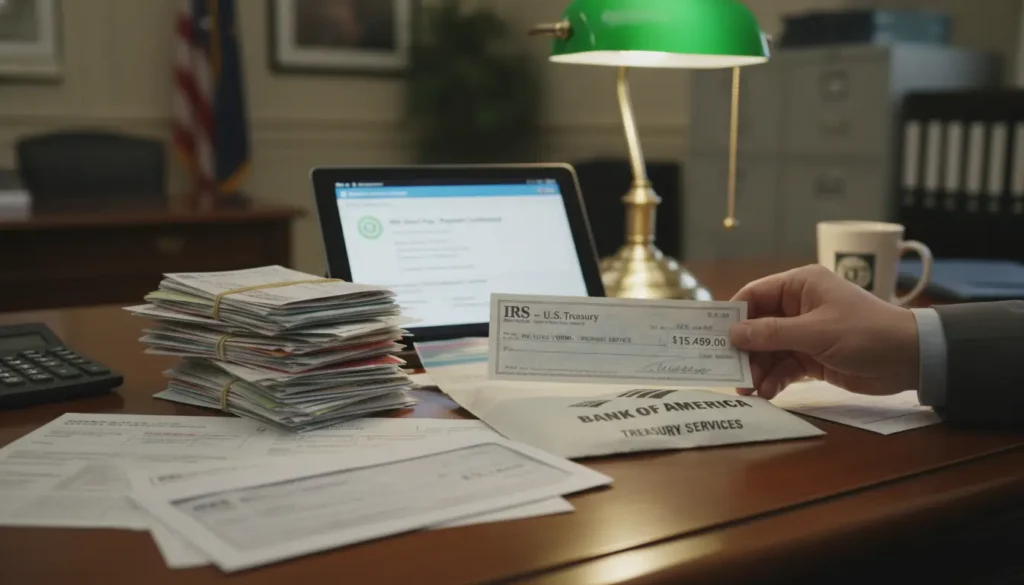
This guide explains how the Federal 2000 holiday deposits coming December 2025 will work, who is likely to be eligible, what the payment rules are, and the key deadlines to watch. Follow the practical steps below to prepare and reduce the chance of delays.
Federal 2000 Holiday Deposits Coming December 2025: Who Is Eligible
Eligibility usually depends on citizenship or lawful residency, a valid Social Security number, and income and filing status from the most recent tax records. The federal program plans to use existing IRS and benefit agency data to determine recipients.
Common eligibility criteria
- U.S. citizens and qualifying resident aliens with a valid Social Security number.
- Individuals who filed a tax return for the most recent tax year used by the program (typically the 2024 return for a December 2025 payment).
- Income limits or phase-outs based on filing status (single, head of household, married filing jointly) as announced in program rules.
- Dependents may affect payment amounts under the final law or guidance.
Certain groups often excluded from similar payments include nonresident aliens, people without valid taxpayer identification, and some incarcerated individuals. Check official agency guidance for exact exclusions.
Payment Rules for Federal 2000 Holiday Deposits
Federal payments are typically issued by direct deposit when the IRS or Treasury has current bank information. If no direct deposit is available, the agencies may issue a paper check or a prepaid card.
How payments are calculated and issued
- Payment amount: Flat 2000 per eligible adult unless otherwise specified for dependents or joint filers.
- Source data: The agency will rely on the most recent tax return, SSA records, or federal benefit records to confirm eligibility and payment method.
- Delivery methods: Direct deposit to bank accounts on file, paper check mailed to last known address, or a Treasury-issued debit card.
Expect the government to stagger deposits over several days in December to manage processing volume. Banks may post deposits on different dates depending on the receiving institution.
Key Deadlines and Actions to Take
To avoid missing the December 2025 deposit, act early. The most common reasons for delay are outdated bank info, unfiled tax returns, or incorrect mailing addresses.
Checklist and approximate deadline targets
- File required tax returns: If the payment uses the 2024 tax return, file or update your return by late October or the date the Treasury sets for eligibility. Missing that filing window can delay eligibility.
- Update direct deposit: Confirm and update your bank account with the IRS or benefit agency by early December. Use the IRS online account or your benefit portal.
- Confirm mailing address: If you expect a paper check, make sure the agency has your current address several weeks before December.
- Opt-out or special cases: If the program allows opting out or requesting a different delivery method, submit that request by the program’s stated deadline.
Official deadlines will be published by the Treasury and the IRS. Use the agency websites as your primary source and treat any timeline in this article as a practical planning guide.
Many federal payments rely on the bank account information the IRS has on file. If you used direct deposit for a recent tax refund or receive Social Security benefits by direct deposit, those same details are often used for one-time federal payments.
What To Do If You Don’t Receive the Deposit
If the deposit does not arrive in December, first confirm eligibility and payment status on the official agency portals. Document dates and screenshots of any notices you see.
Steps to resolve missing payments
- Check the IRS payment tracker or Treasury statement page for status updates.
- Verify direct deposit and address details in your online account or through your benefit provider.
- Contact the IRS or the Treasury helpline only after checking online resources and gathering documentation.
- If eligible but unpaid, expect a mechanism to claim the amount on your next tax return or through a special claims portal established by the agency.
Keep copies of your tax returns and proof of identity. These documents speed review and any follow-up processing.
Real-World Example
Case study: Maria is a single parent who filed her 2024 tax return early and receives Social Security benefits by direct deposit. She checked her IRS online account in November and confirmed the correct bank routing and account numbers. Maria received a direct deposit of 2000 on December 10, 2025, and saved the confirmation from her bank for records.
Lessons from Maria: confirm bank details early, file required returns promptly, and keep records of communications and deposits.
Common Questions and Final Tips
Will the payment be taxable? One-time federal relief payments are often non-taxable, but check the official guidance to confirm tax treatment.
Can someone else claim my payment? The payment goes to the individual identified by the tax or benefit records. Protect your identity and account details to prevent fraud.
- Monitor official IRS and Treasury pages for the final rule and any program FAQs.
- Keep documentation of tax filings, benefit records, and bank statements.
- If you move, update your address immediately with the IRS and benefit agencies to avoid mailed checks being returned.
Prepare now by checking filing status, updating direct deposit information, and noting the official agency deadlines once they are announced. For final rules and precise dates, rely on the IRS and Treasury announcements rather than third-party summaries.